Understanding the Problem
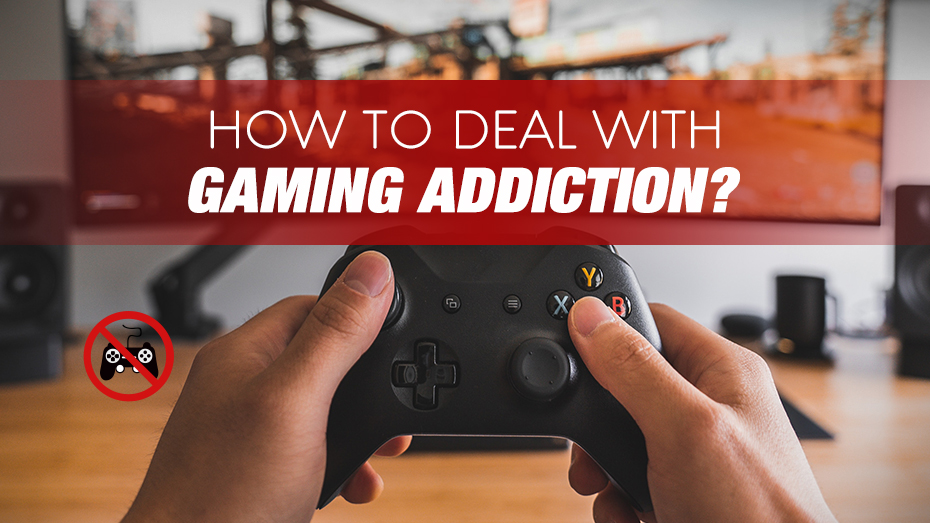
Enjoying your favorite poker game is a natural desire for any enthusiast. However, when a hobby turns into addiction, it's important to recognize the problem in time and take action. In this article, we'll look at how to identify signs of gaming addiction and what steps can help you return to a healthy balance.
Signs of Gaming Addiction
1. Obsessive Thoughts About Gaming
If thoughts about poker occupy most of your day, fill your free time, and interfere with focusing on other matters - this is the first warning sign. A healthy hobby should not become your only focus of attention.
2. Discomfort When Unable to Play
Characteristic signs of addiction include:
- Irritability or anxiety when unable to play
- Sudden mood swings when access to the game is unavailable
- Sleep or appetite disturbances due to prolonged abstinence from gaming
3. Negative Impact on Other Areas of Life
If you notice that poker is displacing other important aspects of your life, this is a serious reason to reflect:
- Decreased effectiveness at work or studies
- Neglect of family responsibilities
- Abandonment of other hobbies and interests
- Financial problems due to gaming
💡 Useful Tip
Keeping a gaming activity journal will help you objectively assess how much time you actually spend playing. Record the beginning and end of each gaming session for a week, and then analyze the results.
How to Deal with Gaming Addiction
- 1
Set Clear Time Limits
Define specific time for gaming and stick to it. Use a timer or special applications to track time. It's important to be realistic and not set overly strict limitations that will be difficult to maintain.
- 2
Find Other Interests
A variety of interests is key to a healthy lifestyle. Revive former hobbies or find new activities that will bring pleasure and positive emotions. This will help reduce psychological dependence on poker.
- 3
Use a Reward System
Transform poker from a mandatory routine into a reward for achieving other goals. Allow yourself to play a game only after completing important tasks - this will help restore priorities.
- 4
Seek Professional Help
If independent attempts to control gaming time don't yield results, don't hesitate to consult a specialist. Professional psychologists have experience dealing with gaming addiction and can offer effective strategies.
- 5
Join a Support Group
Communicating with people who face similar problems can be extremely beneficial. Support groups offer understanding, emotional support, and practical advice from those who have successfully overcome addiction.
⚠️ Important to Remember
Gaming addiction is a serious problem that can lead to significant financial losses and problems in personal life. The sooner you acknowledge the problem and start working on it, the easier it will be to return to a healthy balance.
Turn Experience into Growth
Overcoming gaming addiction is not just about combating a problem but also an opportunity for personal growth. Learn to better understand yourself, your triggers, and motives that lead to excessive gaming.
Note
Remember that many players face this problem, and there's nothing shameful about it. Timely awareness of the issue and taking measures is a sign of responsible attitude towards your health and well-being.
Play with pleasure, but don't let the game control your life!